7 Forbidden Doujin Moe Secrets That Will Crush Your Expectations

Doujin moe is a concept that lives in the deepest, most delicious corners of our shared otaku psyche.
If you are anything like me, you probably remember that first rush of dopamine when you stumbled upon something a bit… unconventional. For me, it was a manga shared by a friend back in my childhood, and since then, I have been chasing that specific feeling of discovering hidden gems. We all seek that perfect blend of adorable character designs and spicy, uninhibered storytelling. This is where the magic of Doujin moe resides—that irresistible intersection of fan-made passion and peak character cuteness.
But here is the thing: the world of doujinshi and fan-made works is much more complex than just “cute girls doing cute things.” There is a layer of subtext, a certain level of craftsmanship, and some surprisingly deep secrets that most casual fans never even realize exist. Sometimes, what we think is a simple trope is actually a carefully constructed trap designed to pull us deeper into the rabbit hole. Today, we are going to look at the darker, more unexpected side of these tropes. We are diving into the secrets that might just shatter your current understanding of what makes a character truly “moe.”
The Illusion of Pure Innocence
We all love a good, innocent character. The wide eyes, the soft blush, the clumsy personality—it is the bread and butter of the moe aesthetic. However, one of the biggest secrets in the Doujin moe community is that pure innocence is often a carefully crafted mask. Many of the most legendary creators in the doujin space use “innocence” as a way to heighten the impact of much spicier, more intense plot developments.

When you see a character that looks like they wouldn't hurt a fly, the creator is often setting the stage for a dramatic shift. This isn't just about shock value; it is about the contrast. The gap between how a character appears and how they behave in private—the so-called gap moe—is where the real emotional (and spicy) weight lies. If you only look at the surface, you miss the entire point of the narrative tension being built.
The Trap of the Gap Moe Trope
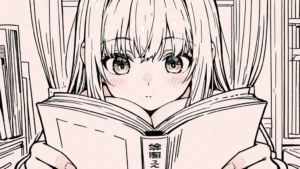
The “gap” is a powerful tool. It relies on the discrepancy between a character's public persona and their hidden desires. For us cultured gentlemen, discovering that a seemingly shy librarian character has a wild side is the ultimate reward. This technique is used to keep readers engaged and to ensure that the “spicy” moments feel earned rather than just random.
The Hidden Complexity of Character Design
When we browse through various manga or doujinshi sites, we often focus on the “hotness” of the art. While that is certainly a valid reason to click, the secret to long-lasting Doujin moe lies in the subtle details of the design. Great artists don't just draw pretty girls; they embed personality into every line and shadow.
Have you ever noticed how certain accessories, or even the way a character holds a cup of tea, can completely change your perception of them? This level of craftsmanship is something I deeply admire about the Japanese indie scene. Every small detail is a piece of a larger puzzle. When an artist masters this, the character stops being a mere drawing and starts feeling like someone you could actually interact with in a virtual world.
Furthermore, these details often hint at much deeper, sometimes darker, backstories. An artist might use specific clothing styles or subtle scars to suggest a history of struggle or a secret identity. If you are only looking for the “spicy” elements, you might be ignoring the very things that make the character's personality so compelling.
The Secret Language of Tropes
To the uninitiated, tropes like tsundere, yandere, or kuudere seem like simple labels. But within the realm of Doujin moe, these tropes function as a complex language. They are shorthand for a whole spectrum of emotional experiences. However, the secret is that the best works take these tropes and subvert them in ways that catch you completely off guard.
A “standard” tsundere is easy to predict. You know the insults are coming, and you know the sweetness will follow. But the truly legendary creators will introduce a twist. Perhaps the “tsun” isn't a defense mechanism for a crush, but a symptom of a much more complex psychological state. Or perhaps the “dere” side is actually a form of manipulation. When a creator plays with these expectations, it creates a sense of unpredictability that is vital for keeping the reader hooked.
- Subverting the Tsundere: Moving beyond the “it's not like I like you!” cliché.
- The Darker Yandere: Exploring the thin line between devotion and obsession.
- The Evolving Kuudere: Using stoicism to hide deep, simmering passion.
The Economic Engine of Fan-Made Content
It is easy to think of doujinshi as just a hobby for passionate fans, but there is a massive, sophisticated economic engine driving the Doujin moe phenomenon. Many of the most famous professional manga artists and even some VTubers started their journeys in the doujin circles. This “secret” ecosystem allows for a level of experimentation that mainstream publishing simply cannot afford.
Because there is no corporate oversight or strict censorship boards, creators can push the boundaries of what is considered “spicy” or “edgy.” This freedom is why the doujin scene is often years ahead of the mainstream in terms of trendsetting. The themes we see in mainstream anime today—the specific aesthetics, the character archetypes—often originate in the wild, unregulated world of fan-made works. As fans, we are essentially witnessing the laboratory where the future of anime is being cooked up.
Why the Indie Scene Matters
Without the freedom to fail and the freedom to be “too much,” the industry would become stagnant. The indie scene provides a training ground for the next generation of masters. When you support a small creator, you are contributing to the survival of this creative laboratory.
The Psychological Pull of the “Unattainable”
There is a psychological secret at play in much of the Doujin moe content we consume: the allure of the unattainable. Many of these stories revolve around characters who are fundamentally out of reach—whether due to their fictional nature, their intense personalities, or the extreme circumstances of their worlds. This creates a specific type of longing in the reader.
This longing is what drives the consumption of spicy media. It is not just about the physical aspects; it is about the emotional intimacy that is being simulated. The “spiciness” acts as a bridge, a way to feel a sense of closeness to characters that exist only on paper. This is why we, the degenerates of culture, can spend hours lost in a single volume. We are not just reading a story; we are participating in an emotional simulation.
However, this can also be a double-edged sword. The more we engage with these idealized, “perfect” versions of characters, the more our expectations of reality can be skewed. It is a delicate balance between enjoying the fantasy and staying grounded in the real world.
The Role of Community and Shared Secrets
One of the most underrated aspects of the Doujin moe landscape is the community itself. There is a shared language and a shared set of “secrets” among us fans. Whether it is knowing which specific artist is about to drop a new masterpiece or understanding the hidden meaning behind a certain meme, being part of this culture provides a sense of belonging.
We share recommendations, we debate the merits of different tropes, and we celebrate the arrival of new, spicy releases. This community acts as a filter, helping us navigate the overwhelming amount of content available on the internet. Finding a reliable source for high-quality manga or discovering a new, niche genre is much easier when you have a community of like-minded individuals to guide you.
This shared passion also fosters a deep respect for the art. When we talk about “artistic” hentai or the “masterful” use of lighting in a doujinshi, we are participating in a culture that values the skill of the creator. We are not just consumers; we are critics and enthusiasts who appreciate the effort that goes into every single page.
The Impact of Digital Accessibility
Finally, we must acknowledge the secret that has changed everything: the digital revolution. In the past, finding specific doujinshi required physical trips to Akihabara or navigating complex mail-order systems. Today, the Doujin moe experience is just a click away. This accessibility has expanded the audience globally, bringing Western fans into the fold like never before.
While this has made it easier to find the spicy content we crave, it has also made the market incredibly crowded. The sheer volume of content means that the “hidden gems” are harder to find than ever. This is why staying updated with trusted sources and following seasoned collectors is more important than ever. The digital age has democratized the art, but it has also made the hunt much more challenging.
As we navigate this vast ocean of content, we must remember that the true value lies in the discovery. The thrill of finding that one perfect, spicy, beautifully drawn work that speaks to your soul is what keeps us coming back. Whether it is through a new manga, a spicy video game, or a stunning piece of fan art, the search for the ultimate Doujin moe experience is a journey that never truly ends.