The Ultimate Guide to Japanese Doujinshi
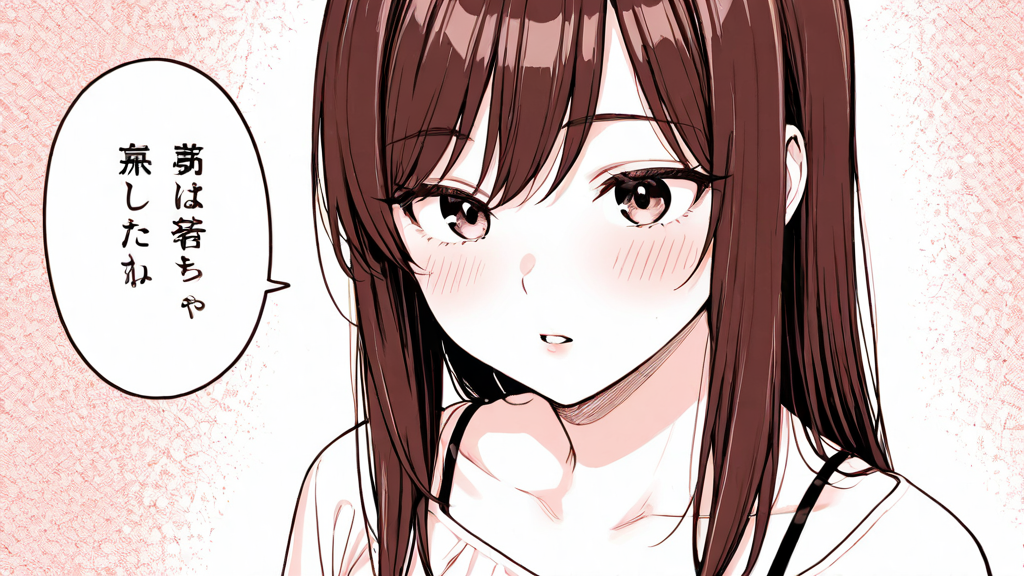
This ultimate guide to Japanese doujinshi covers everything you need to know: what doujinshi actually is, where it comes from, which genres are worth your time, which circles to follow, and most importantly, where to go read it right now without hunting through sketchy sites.
Skip to any section or read straight through. Either way, by the end of this you will know exactly what to read next.
What Is Japanese Doujinshi?
Doujinshi (同人誌) are self-published works — almost always manga — created independently by artists and small groups called circles. The word breaks down simply: doujin means a group sharing a common interest, shi means publication. In practice, doujinshi means fan-made manga sold outside the official publishing system, usually at conventions, with no corporate oversight and no content restrictions.
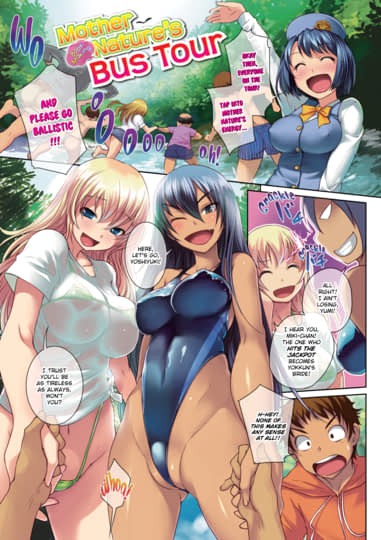
The majority of doujinshi falls into two broad categories: general fan works (parodies, alternate storylines, character studies) and adult content. This guide focuses on the adult side, which is where the most creative, most varied, and most interesting content lives.
Where Doujinshi Comes From: The Comiket Culture
To understand doujinshi you have to understand Comiket — Comic Market, the world's largest self-publishing convention held twice a year in Tokyo. Comiket has been running since 1975 and regularly draws over half a million attendees across its three-day run. Circles set up booths, print their own books, and sell directly to fans. No publishers, no distributors, no gatekeepers.
This system created something unique: a creative economy where artists are accountable only to their audience. If a circle produces bad work, nobody buys it. If they produce great work, they sell out in minutes and build a following that follows them across decades. The best doujinshi circles have been building that reputation since the early 2000s, and their archives represent a creative legacy that official manga publishing simply cannot replicate.
That culture is why doujinshi quality has consistently raised the bar for adult manga — the market rewards craft, not corporate safety.
The Genres: What You Can Actually Find
Doujinshi covers every genre imaginable. Here are the ones that matter most for new readers.
Vanilla
Consensual, romantic, and often genuinely sweet. Vanilla doujinshi focuses on two characters sharing an intimate moment without betrayal, manipulation, or dark themes. Do not underestimate it — the best vanilla works are emotionally satisfying in a way that harder content rarely achieves, and they are a necessary palate cleanser between heavier reads.
NTR (Netorare)
The genre that will wreck you emotionally and keep you coming back anyway. NTR involves a character being stolen or seduced away from a partner, with the story focusing on the betrayal and its fallout. It is intense, it is dark, and it has one of the most dedicated readerships in the entire doujin space. The related term Netori flips the perspective to the person doing the stealing — same scenario, completely different emotional experience.
Hypnosis and Mind Control
One of the fastest-growing genres in the current doujin scene. Characters lose their will to trance, technology, or psychological manipulation, and the story follows the transformation that results. The appeal is in watching the shift — a composed character slowly losing control is a specific fantasy that hypnosis doujins deliver better than any other format. Modern entries like the Saimin Appli series update the premise for the smartphone era.
Corruption
Closely related to mind control but distinct in focus. Corruption is about the fall from grace — a character of high moral standing (a knight, a priestess, a strict teacher) being led into increasingly explicit situations until their original personality is unrecognizable. The tension comes from watching the transformation happen panel by panel, which is why the best corruption doujinshi are structured like proper stories rather than disconnected scenes.
Femboy and Trap
Male characters with feminine aesthetics, outfits, and mannerisms in explicit scenarios. The genre plays on contrast — delicate appearance, intense content — and has built one of the most dedicated followings in doujinshi. Sub-categories include forced feminization, yaoi pairings, and scenarios where the femboy character's identity is central to the story rather than just an aesthetic.
Monster Girls and Tentacles
The fantasy genre of doujinshi. Demi-humans, supernatural creatures, and non-human entities open up scenarios that are physically impossible in any other format, which is exactly the point. Monster girl doujinshi blends the cute anime aesthetic with content that goes places official fantasy manga never can. Tentacles are the most iconic subgenre and have been a staple of adult manga since the 1980s.
Femdom
Female characters in dominant roles, which flips the power dynamic that most doujinshi takes for granted. One of the most consistently popular tags across every major reading platform, femdom covers everything from dominant girlfriends to warrior women to authority figures who take control. For a medium often criticized for one-sided dynamics, femdom delivers genuine variety.
The Circles Worth Knowing
A doujinshi circle is the artist or group of artists behind the work. Following circles rather than individual titles is the most efficient way to find consistently good content — when you find an artist whose style and sensibility matches yours, their back catalog becomes a guaranteed reading list.
The circles that consistently come up in conversations about quality include:
-
ShindoL (Da Hootch) — The creator of Metamorphosis (177013), the most discussed hentai doujin ever produced. Dark, literary, emotionally devastating. Follow for story-first content that treats the medium seriously.
-
Naruho-dou — The gold standard for Naruto doujinshi. Consistently excellent anatomy, strong scenarios, a catalog that spans over a decade of quality output.
-
Crimson Comics (Carmine) — A legacy One Piece circle active since the early 2000s. Their work RUN at 103 pages is a classic of the format. Follow for long-form content with history behind it.
-
KashiNoKi (Midori No Rupe) — The leading hypnosis circle in the current scene. Full color, modern premises, some of the highest heart counts in the genre right now.
-
Dr. Stein — The creator behind Smoking Hypnosis, one of the only serialized webtoon-format doujin series with an ongoing multi-season run. Follow for new content on a regular schedule.
-
CHINZURI BOP (Chinzurena) — The best femboy circle currently producing work. Both main titles are fully decensored and land in the top of the genre's popularity rankings.
Physical vs Digital: How People Actually Read Doujinshi
Historically, doujinshi was a physical medium — printed books sold at Comiket booths and a handful of specialty stores in Akihabara. Buying a physical doujinshi from a store like M's Pop Life in Akihabara is still one of the best experiences any anime fan can have in Tokyo, and the physical editions often include art and extras that digital versions miss.
For everyone not currently in Tokyo, digital is where the doujinshi world lives now. Fan translation groups have spent decades producing English versions of the most popular titles, and curated reading platforms have made access significantly easier than it was even five years ago.
The key difference between sources is curation. Raw aggregator sites dump everything in one place with no quality filter. Curated readers — like the Eromami reader — organize by IP, character, genre, and circle, and surface the actual best content rather than making you wade through hundreds of mediocre entries to find one good one.
What Is on the Eromami Reader Right Now
The Eromami reader is where this guide ends, because it is the fastest path from reading about doujinshi to actually reading doujinshi. The current collection includes:
-
Naruto doujinshi — 25+ titles including the full Naruho-dou catalog, Ginjou Maggots, and Kiliu's latest Hinata work. Sorted by popularity so the best floats to the top.
-
One Piece doujinshi — Crimson Comics classics, the full Yubi Robin series, RADIOSTAR's Nami content, and a current-arc Egghead title for readers up to date on the manga.
-
Hypnosis doujinshi — KashiNoKi's Saimin Appli series, the complete Dr. Stein Smoking Hypnosis run including Season 1 and ongoing Season 2 episodes, and the Kyaradain gender transformation entry.
-
Femboy doujinshi — Both CHINZURI BOP titles (fully decensored), Groggy-chou's arrogant femboy punishment arc, Wamusho's 57-page Melancholy of Femboy, and more.
Everything is in English. Everything is free. No account required.
The collection is updated regularly, which means there is always something new to find regardless of how many times you have been through it before.
The Bottom Line
Doujinshi is the most creative, most varied, and most honest corner of adult manga. It exists outside the official system for a reason — because the best content comes from artists making exactly what they want, without a publisher telling them to pull back. The result is decades of work spanning every genre, every IP, and every fantasy you can think of, produced by people who genuinely care about the characters and the craft.
You now know what it is, where it comes from, what to look for, and which circles to follow. The only thing left is to go read something.
Start Reading on Eromami — It's Free →