Beyond the Cute: 5 Forbidden Meanings of What Does Yuri Mean
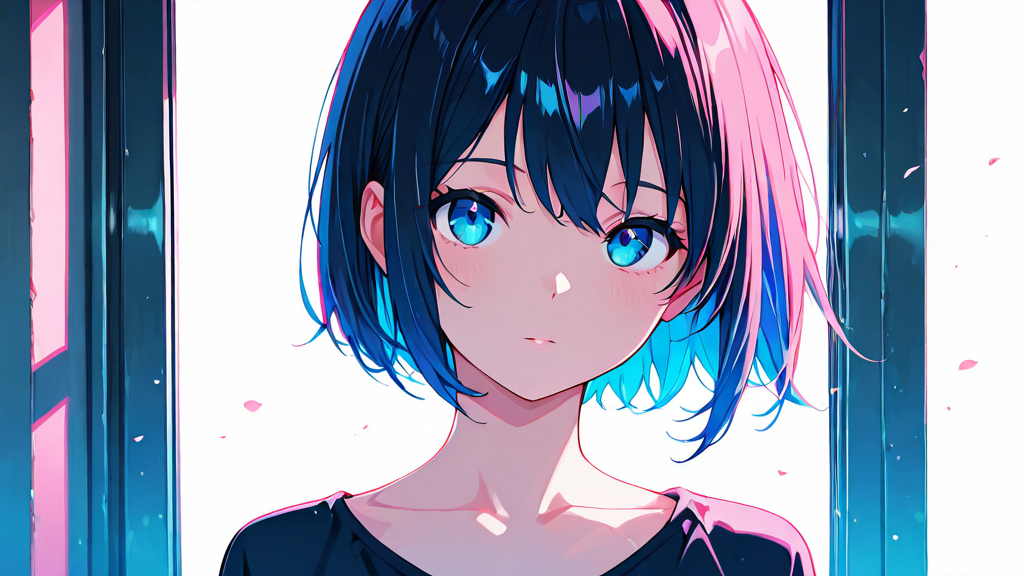
What does yuri mean? Let's dive into the deep end of the genre.
What does yuri mean is a question that often pops up when a new recruit joins our ranks of cultured gentlemen and weebs. If you have spent even five minutes browsing the depths of manga forums or scrolling through spicy Twitter feeds, you have definitely seen the term. At first glance, it looks like just another genre label, much like shonen or seinen. But for us degenerates who appreciate the finer, more nuanced details of Japanese media, the answer is far more complex than a simple dictionary definition.
I remember when I first started exploring the vast landscape of manga. Like many of you, I was hooked on the heavy hitters like Hunter x Hunter, but as I traveled more through the subcultures of Japan, I realized that genres are rarely just one thing. They are layers of emotion, tropes, and sometimes, very spicy content. Yuri is one of those layers. It is a term that carries weight, ranging from the most innocent, heart-shattering romances to the most intense, adult-oriented doujinshi you can find.
Understanding the nuances of this genre helps us appreciate the artistry behind the characters and the stories. It is not just about girls loving girls; it is about a specific way of storytelling that has evolved over decades. In this article, we are going to strip away the surface-level fluff and look at the five different ways this term is used in the community. Whether you are looking for a wholesome slice-of-life or something a bit more… spicy, knowing the context is key.

The Linguistic Roots: The Lily and the Legend
To truly understand what does yuri mean, we have to look at the Japanese language itself. The word “Yuri” (百合) literally translates to “Lily.” In Japanese culture, the lily flower often symbolizes purity, innocence, and a certain kind of delicate beauty. This is where the genre gets its name. Early works in this category focused heavily on the “purity” of the bond between female characters, often emphasizing emotional intimacy over physical passion.
This linguistic connection is important because it explains why the “Class S” subgenre exists. Back in the day, many stories focused on intense, almost spiritual connections between schoolgirls. These stories were often bittersweet and tragic. They weren't necessarily about physical relationships, but about the fleeting, beautiful nature of adolescence. If you are looking for something that will make you cry into your ramen, this is the corner of the genre you want to explore.
However, as we all know, the internet and the evolution of manga have pushed these boundaries. The “lily” metaphor has expanded. While the core of the genre remains centered on female-female relationships, the “purity” of the lily has been replaced by a much wider spectrum of human (or waifu) experience. We have moved from the delicate petals of a flower to the full-blown intensity of modern romance and even spicy adult content.
Meaning 1: The Wholesome “Girls' Love” (GL)
The first and most common way to interpret the term is through the lens of “Girls' Love” or GL. This is the version of the genre that is widely accessible and often found in mainstream publishing. This is where we find stories focusing on character development, budding crushes, and the sweet, sometimes awkward, moments of first love.
For us fans of great storytelling, this is where the emotional weight lives. You see characters navigating school life, friendships, and the realization of their feelings. These stories often avoid the more explicit elements and instead focus on the tension and the “will-they-on-the-screen” drama. It is a staple of the anime industry, often featuring beautiful art styles and soundtracks that pull at your heartstrings.
- Focus: Emotional intimacy and romantic tension.
- Themes: School life, friendship, and self-discovery.
- Vibe: Sweet, heartwarming, and occasionally tragic.
If you are looking for something to watch on a rainy afternoon that feels like a warm hug, this is the definition you are looking for. It is the foundation upon which everything else is built.
Meaning 2: The Spicy and Explicit Side of Yuri
Now, let's get real. We are a community that appreciates the spicy side of things, and we shouldn't pretend otherwise. A massive portion of the content labeled under this umbrella is much more explicit. This is where the term moves into the realm of hentai and adult-oriented manga. Here, the focus shifts from the “purity” of the lily to the exploration of physical passion and desire.
This is where the “spicy” label becomes incredibly important. In these works, the boundaries of intimacy are pushed to the limit. For the cultured gentleman looking for something more intense, this is a huge part of the landscape. These stories often utilize the tropes of the genre—power dynamics, intense chemistry, and beautiful character designs—to create something much more provocative than your standard romance manga.
It is important to distinguish this from the wholesome side. While both share the same fundamental concept of female-female attraction, the execution and intent are worlds apart. One is meant to make you swoon; the other is meant to… well, let's just say it's meant for a private viewing. As fans of the medium, we recognize that both have their place in the vast world of Japanese adult media.
The Role of Doujinshi in Spicy Yuri
A huge driver of this explicit side is the doujinshi scene. These fan-made works often take existing characters from popular anime and place them in much more mature, spicy scenarios. This is where the creativity of the community truly shines. The sheer volume of content available in the doujinshi market means that no matter what specific “flavor” of spicy content you are looking for, someone has likely drawn it.
Meaning 3: The “Class S” Aesthetic and Nostalgia
As I mentioned earlier, there is a third, more historical meaning. “Class S” refers to a specific literary tradition in Japan that heavily influenced the early years of the genre. This isn't just about romance; it's about an aesthetic. It's about the feeling of summer afternoons, the scent of lilies, and the intense, often unrequited, longing between students.
This version of the genre is often much more melancholic. It deals with the transition from childhood to adulthood and the loss of innocence. While it isn't “spicy” in the physical sense, it is incredibly intense in an emotional sense. For those of us who appreciate the deep, complex layers of Japanese culture, the Class S influence provides a sense of nostalgia and weight that modern, fast-paced stories sometimes lack.
It is a way of looking at the genre through a historical lens. It reminds us that before the internet and the massive explosion of adult content, there was a very specific, very poetic way of telling these stories. It is the “soul” of the genre, even if the modern era has moved toward more explicit or high-energy narratives.
Meaning 4: The Subversion of Gender Tropes
A fourth, more modern interpretation involves how the genre subverts traditional gender roles. In many mainstream shonen or shojo works, characters are often locked into very rigid roles. However, in the realm of yuri, we see a much more fluid exploration of identity. Characters can be anything from the “cool, stoic protector” to the “energetic, bubbly companion,” and these roles often overlap in fascinating ways.
This subversion is what makes the genre so engaging for a modern audience. It allows for character studies that are much more complex than your standard hero/heroine dynamic. We get to see characters navigate their identities, their desires, and their place in the world without the heavy-handed tropes of traditional gendered storytelling. This is where the “art form” aspect of manga truly shines, as creators use these fluid dynamics to tell much more profound stories about the human condition.
For us, this means the characters feel more real. They aren't just archetypes; they are individuals struggling with their own complexities. This depth is exactly why we keep coming back to these stories, year after year.
Meaning 5: The “Yuri-Adjacent” or Aesthetic Vibe
Finally, there is a very loose, almost “vibe-based” meaning. Sometimes, people use the term to describe an aesthetic or a specific atmosphere in anime and manga, even if there isn't a concrete romantic plot. This is often seen in works that feature strong female bonds, beautiful art, and a certain “softness” or “dreaminess” in the presentation.
This is a great way to discover new series. If you enjoy the atmosphere of a particular yuri title, you can often find similar “vibes” in other genres. It's all about that specific emotional frequency that the genre operates on.
Navigating the World of Yuri
So, after all that, what does yuri mean in a nutshell? It means a spectrum. It is a spectrum that stretches from the purest, most innocent tales of schoolgirl crushes to the most intense, spicy, and adult-oriented doujinshi. It is a spectrum that encompasses historical literary traditions like Class S and modern, trope-subverting character studies.
As members of this community, the most important thing is to respect the nuances. When you are browsing for your next read or watch, pay attention to the tags and the descriptions. Are you looking for something heartwarming and sweet? Or are you looking for something that will push your boundaries? Knowing the different layers of the genre ensures that you find exactly what you are looking for, whether it is a beautiful piece of art or a spicy late-night distraction.
The beauty of this genre lies in its diversity. There is something for everyone—the sentimentalists, the historians, the explorers of identity, and, of course, the connoisseurs of the spicy. So, next time you find yourself wondering what does yuri mean, remember that the answer is as wide and varied as the manga library itself. Happy reading, and may your waifus always be legendary!