7 Alarming Secrets About Anime Doujin You Never Knew

Anime doujin culture is far more complex than just a collection of fan-made comics.
If you are anything like me, your journey into the depths of Japanese media likely started with a mainstream hit. For me, it was Hunter x Hunter. I remember the sheer awe of seeing those characters come to life on paper. But as we, the cultured gentlemen of the internet, grow older, our tastes tend to evolve. We move from the Shonen battlegrounds into the much more… intimate territories of fan-created works.
The world of anime doujin is a massive, sprawling ecosystem. It is a place where creativity knows no bounds, where fan passion meets professional-grade artistry, and where the lines between “fan art” and “official canon” often get incredibly blurry. To the uninitiated, it might just look like a massive, sprawling ecosystem. But for those of us who spend our time scouring digital storefronts and visiting Comiket, there is a deep, underlying structure to this world.
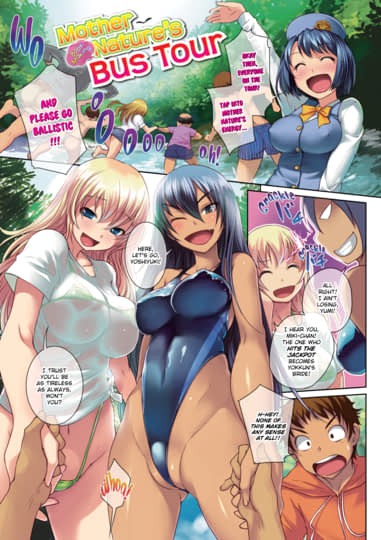
However, there is a darker, more mysterious side to this industry. Behind the beautiful illustrations and the spicy storylines lies a web of legal gray areas, intense competition, and secrets that could make even the most seasoned weeb blink twice. Today, I want to pull back the curtain on some of the things people rarely talk about when discussing anime doujin circles. Grab your snacks, settle in, and let's get into the stuff that usually stays hidden in the shadows of the convention halls.
The Legal Gray Area That Keeps the Industry Breathing
One of the biggest secrets about the anime doujin scene is that it technically exists in a state of perpetual legal limbo. Let's be real: most of these works use characters, settings, and even specific designs that belong to massive corporations like Shueisha or Kodansha. Strictly speaking, creating and selling these works without a license is copyright infringement.
So, why hasn't the industry been shut down by a wave of massive lawsuits? It is because of a delicate, unspoken agreement known as “tacit consent.” The official publishers realize that anime doujin acts as the ultimate free marketing tool. When a fan creates a spicy or high-action derivative work, they are driving engagement back to the original source material.
If a publisher goes too hard on legal action, they risk alienating their most passionate fans. They know that the “degenerates” (as we lovingly call ourselves) are the ones keeping the fandom alive. As long as the creators don't claim they own the characters and don't damage the brand's reputation too severely, the giants tend to look the other direction. It is a high-stakes game of cat and mouse that keeps the entire ecosystem functioning.
The Risk of “Going Too Far”
This peace treaty isn't unbreakable, though. There are moments when a creator pushes the boundaries so far that the original copyright holders are forced to step and step in. This usually happens when the content becomes so controversial or “extreme” that it threatens the “wholesome” image of the original franchise. When that happens, the legal shield vanishes, and the creators find themselves facing the wrath of corporate lawyers.
The Secret Pipeline to Professional Manga Careers
Many people assume that anime doujin is just a hobby for people who can't make it in the “real” industry. This is a massive misconception. In reality, the doujin scene serves the world's most prestigious training ground for future legends. If you want to find the next big mangaka, you don't look at art school graduates; you look at the top-selling circles at Comiket.
Many of the artists we admire today in mainstream seinen or shoujo manga started their careers by drawing spicy fan comics. The anime doujin world allows artists to experiment with pacing, character emotion, and complex layouts without the pressure of an editor breathing down their necks. They can fail, they can experiment, and they can find their unique voice.
Because of this, the talent level in the doujin scene is often shockingly high. You will frequently see works that possess better anatomy, more dynamic lighting, and more compelling storytelling than many official monthly publications. When these artists eventually transition to professional roles, they bring a level of polished craftsmanship that is simply unmatched. The industry isn't just consuming these works; it is being built by them.
The Hidden Economic Engine of Comiket
When we think of anime doujin, we often think of digital downloads or small indie websites. But we cannot ignore the physical titan: Comiket (Comic Market). This event is the beating heart of the entire culture. It is an economic powerhouse that generates massive revenue, far beyond just the sales of books.
The scale of this event is staggering. We are talking about hundreds of thousands of people descending upon Tokyo, filling hotels, consuming massive amounts of food, and driving the local economy. But the real secret is the “circle” economy. A successful circle can earn enough in a single weekend to fund their art supplies and studio space for an entire year.
This creates a massive secondary market. There are specialized shipping companies, printing houses that specialize in high-quality doujin production, and even “booth” designers who create the aesthetic of the stalls. The anime doujin ecosystem is a massive, interconnected web of small businesses that rely entirely on the success of these fan-made works.
The Dark Side of the “Spicy” Market
We need to have an honest conversation here. While much of the anime doujin world is about pure, unadulterated passion, there is a darker, more predatory side to the more “spicy” sectors. Because the industry operates in a legal gray area, it can sometimes be a massive, sprawling ecosystem for content that borders on the unethical or even the exploitative.
While we love a good, spicy story as much as the next gentleman, the anonymity of the internet can sometimes mask much more sinister intentions. There have been instances where the line between “fan fantasy” and “non-consensual themes” becomes dangerously blurred. The lack of centralized regulation means that there is no “policing” of content standards in the way you would find in traditional publishing.
As fans, it is our responsibility to support creators who respect the boundaries of the medium. We can enjoy the spicy side of the culture without supporting the parts that are genuinely harmful. The beauty of the anime doujin world is its freedom, but that freedom requires a level of maturity and discernment from us, the readers.
The Technological Revolution: From Paper to Pixels
The way we consume anime doujin has undergone a radical transformation. There was a time when you had to physically be in Japan or have a connection to a specialized importer to get your hands on the latest works. You had to hunt through mail orders and wait weeks for packages to arrive.
Today, the digital revolution has democratized access. Platforms like Pixiv, DLsite, and various manga hosting sites have made it possible for a fan in London or New York to access the same content as someone living in Akihabara within seconds. This has led to a massive explosion in the volume of content available.
However, this ease of access comes with a trade-off. The “prestige” of finding a rare, physical book is being replaced by the infinite scroll of digital libraries. While this is great for convenience, some veterans of the scene argue that the “soul” of the medium—the tactile experience of flipping through high-quality paper and smelling the fresh ink—is being lost to the digital void.
The Rise of the Global Fanbase
Because of this digital shift, the anime doujin scene is no longer a Japanese-only phenomenon. We are seeing a massive influx of Western influence, both in terms of consumption and creation. Western artists are now participating in the doujin ecosystem, bringing different artistic styles and perspectives to the table. This cross-pollination is making the entire medium richer and more diverse than ever before.
The “Lost” Art of the Physical Collectible
Despite the digital boom, there is a secret resurgence happening in the world of physical anime doujin. A segment of the community is moving away from the screen and back toward the bookshelf. There is something undeniably special about owning a physical copy of a limited-edition work. The cover art, the texture of the paper, and the sheer rarity of the item make it a true collector's piece.
This has given rise to a massive secondary market for “vintage” or “rare” doujinshi. Collectors will spend hundreds, sometimes thousands, of dollars to track down a specific print from a legendary circle's early years. This obsession with the physical object preserves the history of the medium. It ensures that the milestones of the anime doujin world are not just lost in a sea of deleted digital files, but are preserved for future generations of weebs to discover.
It is this respect for the “object” that mirrors the respect for craftsmanship I often see in Japan. Whether it is a hand-painted figure or a meticulously drawn manga, the effort put into the creation is what makes it worth preserving.
Final Thoughts on the World of Fan Creation
The world of anime doujin is much more than just a collection of fan-made stories. It is a complex, beautiful, and occasionally controversial landscape that sits at the intersection of passion and profit.