7 Reasons Why Ecchi na Onee-chan ni Shiboraretai is Truly Degenerate
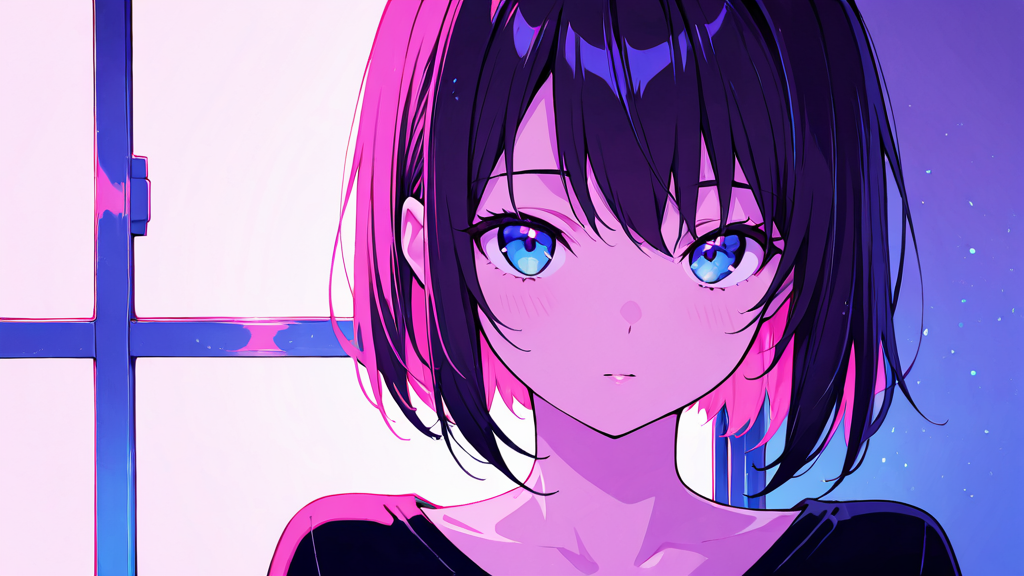
Ecchi na Onee-chan ni Shiboraretai is the kind of spicy title that makes us cultured gentlemen pause and reconsider our life choices.
Let's be real for a second. We’ve all been there, scrolling through a deep, dark corner of a manga site at 3 AM, looking for something that hits just right. You see a title like Ecchi na Onee-chan ni Shiboraretai, and your first instinct might be to blush or look away. But for us degenerates, that title is a siren song. It promises exactly what it says on the tin: a spicy, slightly chaotic, and utterly unapologetic experience centered around that much-loved “big sister” trope.
Now, when I use the word “degenerate,” I’m not insulting anyone. In our community, being a degenerate is basically a badge of honor. It means we appreciate the finer, more specialized details of Japanese media that the mainstream crowd would find too intense. We find beauty in the art, the tropes, and the sheer audacity of certain storylines. Ecchi na Onee-chan ni Shiboraretai leans heavily into these tropes, pushing the boundaries of the “onee-san” archetype until it reaches a level of decadence that is hard to ignore.
In this deep dive, I want to explore why this specific brand of spicy content captures our attention so effectively. We aren't just talking about fanservice; we are talking about a specific psychological and artistic cocktail that makes this type of doujinshi or manga so addictive. Grab your snacks, settle in, and let's analyze why we can't seem to look away from this level of degeneracy.

The Allure of the Onee-san Archetype
To understand why Ecchi na Onee-chan ni Shiboraretai hits so hard, we first have to talk about the foundation: the onee-san. In the world of anime and manga, the “big sister” figure is a pillar of the industry. She represents maturity, confidence, and a certain level of caretaking that is both comforting and, let's be honest, incredibly spicy when the context shifts.
Unlike the “tsundere” or the “imouto” (little sister) characters, the onee-san character usually holds the power in the relationship. She is the one in control. This power dynamic is central to the appeal. There is a specific thrill in seeing a character who is usually composed and nurturing suddenly turn the tables. This character type allows creators to play with themes of dominance and submission in a way that feels much more organic than a standard battle shonen.
The Shift from Nurturing to Naughty
What makes the “ecchi” part of the title so vital is the subversion of expectations. We expect a big sister to be the person who keeps you in line. When the narrative shifts toward something more provocative, it creates a delicious tension. This isn't just about random nudity; it is about the psychological impact of seeing a figure of authority or comfort become the source of temptation. This subversion is a staple of high-quality spicy manga, and it is executed with surgical precision in works like this.
The Mastery of “Spicy” Visual Storytelling
I have always believed that hentai and spicy doujinshi are an art form. When I travel to Japan, I see the incredible attention to detail that goes into everything from calligraphy to manga ink work. That same respect for craftsmanship is present in the best spicy titles. You can't just throw together random panels and call it a masterpiece.
< p>In Ecchi na Onee-chan ni Shiboraretai, the art style plays a massive role in the “degenerate” experience. The way the lines define the curves, the use of shading to emphasize texture, and the facial expressions—these are the tools of the trade. A truly great artist knows how to convey intense emotion and physical sensation without needing a thousand words of dialogue. The “shiboraretai” aspect of the title implies a certain level of intensity, and the art must back that up with visceral, high-quality illustrations.
Focusing on the Details
For us enthusiasts, the magic is in the details. It is the bead of sweat, the flushed cheeks, or the way a character's eyes glaze over. When the art is top-tier, it elevates the content from mere smut to a compelling visual narrative. This is why we spend so much time hunting for the best artists on platforms like Pixiv or Fanbox. We are looking for that specific level of polish that makes the “spicy” moments feel impactful rather than just repetitive.
The Psychological Trap of the “Sweet” Trap
Why do we keep coming back to these types of stories? It is because they tap into a very specific psychological loop. The “sweet” or “wholespectacle” nature of the character's initial persona acts as a hook. It creates a sense of safety. Then, the “ecchi” elements introduce a sense of danger or taboo. This oscillation between comfort and temptation is what keeps the reader engaged through every page.
This is a classic storytelling technique used in much more “respectable” literature, but in the realm of spicy manga, it is amplified. The contrast is much sharper. One moment you are reading a slice-of-life interaction, and the next, the boundaries are being pushed. This unpredictability is a hallmark of the genre, and it is exactly what makes the “degenerate” label so fitting. We enjoy the chaos of the unexpected.
The Role of Taboo in Modern Media
Let's be honest: there is a certain thrill in exploring the “forbidden.” While we all follow the rules in real life, fiction provides a safe space to explore themes that are much more intense. The onee-san dynamic, specifically when it leans into the “shiboraretai” (wanting to be squeezed/drained) concept, plays heavily on these taboos. It allows us to engage with themes of surrender and loss of control within the safe confines of a manga panel.
The Community and the Culture of Sharing
Part of what makes this topic so interesting is the community surrounding it. We aren't just solitary readers; we are part of a global network of people who appreciate this specific niche. Whether it is discussing the latest release on a forum or sharing a particularly beautiful piece of fanart, there is a shared language among us. We understand the nuances of the tropes that a casual observer would completely miss.
This shared culture is what sustains the industry. The demand for high-quality, spicy content like Ecchi na Onee-chan ni Shiboraretai drives artists to keep innovating. When we show appreciation for the “degenerate” side of the fandom, we are essentially funding the next generation of incredible artists. It is a symbiotic relationship between the creator and the consumer that keeps the flame of Japanese adult media burning bright.
Finding Your Tribe
Being a part of this community means you never have to feel weird about your interests. You can find groups of people who are just as obsessed with the specific way an artist draws a certain character type as you are. It turns a solitary hobby into a shared passion. This sense of belonging is something that many of us find incredibly valuable in the vast, often lonely, landscape of the internet.
Why We Embrace the “Degenerate” Label
At the end of the day, calling ourselves “degenerates” is a way of reclaiming the narrative. The mainstream media might look at our interests and see something scandalous, but we see something much more complex. We see art, we see storytelling, and we see the exploration of human desire in its most uninhibited form.
When we talk about Ecchi na Onee-chan ni Shiboraretai, we are talking about a work that doesn't apologize for its intentions. It knows exactly what it is. It embraces the tropes, it leans into the spicy themes, and it delivers on its promises. There is a certain honesty in that. In a world full of overly complicated and “sanitized” media, there is something refreshing about a story that is unapologetically focused on pleasure and the intense dynamics of the onee-san trope.
A Final Thought on the Genre
The beauty of the spicy manga genre lies in its ability to push limits. It challenges our perceptions of character and relationship. It takes the familiar—the big sister, the mentor, the protector—and twists it into something much more provocative. This is the essence of the “degenerate” experience: finding the extraordinary within the intensely familiar.
So, the next time you see a title like Ecchi na Onee-chan ni Shiboraretai and feel that familiar tug of curiosity, don't fight it. Embrace the chaos. Dive into the art, the tropes, and the delicious tension that only a truly “degenerate” work can provide. After all, life is far too short to avoid the best parts of the culture we love.