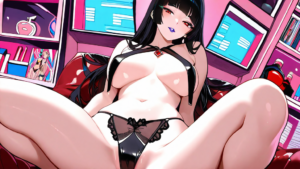
5 Remarkable Secrets: What Does Harem Mean in Anime?
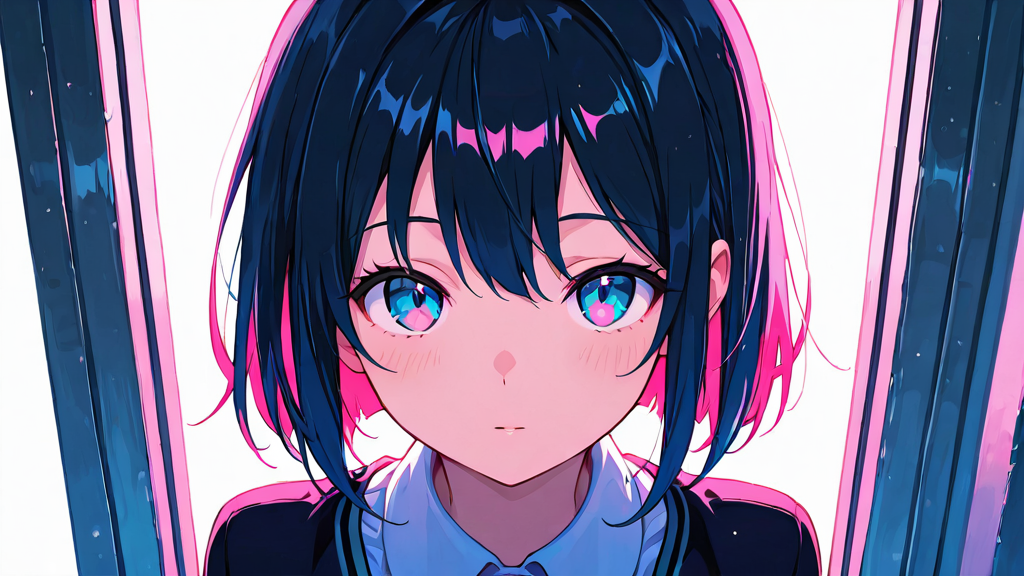
What does harem mean in anime? Let's break down the fantasy.
What does harem mean in anime is a question that often pops up when a new fan stumbles into the wild, wonderful, and sometimes chaotic world of Japanese animation. If you have ever scrolled through a seasonal anime list and noticed a protagonist surrounded by a literal army of beautiful girls—all seemingly competing for a single glance from a guy who can barely hold a conversation—then you have encountered the harem genre.
For us cultured gentlemen, the harem genre represents one of the most entertaining, trope-filled, and occasionally spicy corners of the medium. It is a genre built on wish fulfillment, character archetypes, and the eternal struggle of “who will he choose?” Whether you are a seasoned veteran of the genre or a newcomer trying to understand why every isekai protagonist has five different waifus following them around, understanding the mechanics of this trope is essential for any true weeb.

The Core Definition: More Than Just a Crowd
To get straight to the point, the term “harem” in the context of anime refers to a specific narrative setup where a single central character (usually the protagonist) is the object of affection for multiple other characters. While the word has historical roots involving much more complex social structures, in the anime industry, it is much more streamlined and focused on romantic tension.
< p>In a standard harem setup, you typically have one protagonist—often an “everyman” type that is easy for the audience to project themselves onto—and a diverse cast of love interests. These love interests usually represent different archetypes, such as the Tsundere (harsh on the outside, sweet on the inside), the Kuudere (cold and emotionless), or the Dandere (extremely shy). The drama arises from the competition, the misunderstandings, and the shifting dynamics between these characters.
The Difference Between Harem and Reverse Harem
It is important to note that the genre isn't one-sided. While the majority of what we discuss in our circles involves a male lead with multiple female interests, there is also the Reverse Harem. In a reverse harem, the roles are flipped: a female protagonist finds herself surrounded by a group of handsome, talented, or mysterious men. While the vibes can differ, the fundamental structure remains the same—one central person, many potential romantic partners.
Secret 1: The Power of the “Everyman” Protagonist
One of the biggest secrets to why the harem genre works so well is the intentional design of the protagonist. If you look closely at most harem series, the main character often lacks a flashy personality. He might be a bit dense, a bit socially awkward, or even a bit “plain.”
This is not a mistake or lazy writing. It is a deliberate tactic to facilitate wish fulfillment. By making the protagonist a blank slate, the audience—specifically us degenerates who love a good fantasy—can step into his shoes. We want to imagine ourselves in that position, navigating the complex emotions of multiple beautiful characters all vying for our attention. If the protagonist were too hyper-intelligent or too incredibly heroic, it might break the immersion for some viewers. The “Everyman” allows the fantasy to remain grounded in a way that feels achievable, even if it is wildly unrealistic.
Secret 2: The “Waifu” Archetype System
You cannot talk about what does harem mean in anime without discussing the waifu system. The harem genre is essentially a buffet of personality types. Each character serves a specific niche, ensuring that no matter what your “type” is, there is someone in the cast for you to root for.
This variety is what keeps the series running for multiple seasons. We have:
- The Childhood Friend: The reliable, nostalgic choice who has been there since day one.
- The Oujidere/Himedere: The high-class, perhaps slightly arrogant character who demands attention.
- The Genki Girl: The high-energy, hyperactive character who keeps the plot moving.
- The Mysterious Transfer Student: The character with a dark past that adds much-needed tension.
This structure turns the anime into a game of favorites. As viewers, we find ourselves picking “our” girl, creating a sense of community and debate within the fandom. This is why you see so much engagement on social media regarding which character is the “Best Girl.”
Secret 3: The Tension of the Unresolved Ending
One of the most polarizing aspects of the harem genre is the lack of a definitive romantic conclusion. In many series, the story ends without the protagonist officially choosing anyone. This is often referred to as an “open ending.”
While this can be frustrating for those who crave a happy, settled ending, it serves a vital purpose for the longevity of the franchise. By leaving the choice unresolved, the creators allow the fans to continue discussing the series long after the final episode airs. It keeps the “shipping wars” alive. Furthermore, it allows for the possibility of spin-offs, much more spicy doujinshi, or even a sequel where a different path is taken. The ambiguity is where the community lives and breathes.
Secret 4: The Intersection with the Isekai Genre
In recent years, we have seen a massive overlap between the harem genre and the Isekai (another world) genre. If you look at the top-trending shows on platforms like Crunchyroll or even more mature sites, a huge percentage of them feature a protagonist transported to a fantasy world with a growing party of companions.
The Isekai setting provides the perfect playground for harem dynamics. In a fantasy world, the stakes are higher, the magic is more impactful, and the social rules of the “real world” don't apply. This allows for much more intense romantic and even spicy situations that wouldn't be possible in a standard high school setting. The introduction of magic, monsters, and new races (like elves or demi-humans) expands the “menu” of potential love interests, making the harem even more diverse and exciting.
Secret 5: The Role of “Spicy” Elements and Fan Service
Let's be honest with ourselves: a significant part of the harem genre's appeal lies in the fan service. Whether it is a well-timed “accidental” encounter or more explicit, spicy scenes, these elements are designed to reward the viewer. For the more mature side of the fandom, these moments are the highlight of the series.
There is a fine line between well-placed fanservice and over-the-top content, but the most successful series know how to balance the two. The “spiciness” adds a layer of excitement and physical attraction that complements the emotional tension of the romantic competition. It elevates the stakes from “who will he date?” to “who will he share his most intimate moments with?” This is where the genre truly caters to the more… let's say, passionate members of the community.
Why the Genre Remains Evergreen
Despite the criticisms of repetitive plots, the harem genre refuses to die. It evolves. We see new twists on the tropes, better animation quality, and more complex character writing. It taps into a fundamental human desire: the desire to be loved, noticed, and valued by a group of people who all see something special in us.
As long as people enjoy character-driven drama and the thrill of romantic uncertainty, the harem genre will continue to thrive. It is a staple of the industry because it works. It provides an escape into a world where the only limit is the creator's imagination (and perhaps the budget for more character designs!).
Final Thoughts on the Harem Phenomenon
So, what does harem mean in anime? It is much more than just a group of people chasing one person. It is a complex web of archetypes, a masterclass in wish fulfillment, and a driving force behind some of the most popular and discussed titles in the medium. It is a genre that celebrates variety, builds intense community engagement through “shipping,” and offers a unique blend of comedy, romance, and sometimes, much more spicy content.
Whether you are here for the deep emotional connections or the high-energy fan service, there is no denying the impact this genre has on the culture we love. So, the next time you see a protagonist surrounded by a dozen beautiful characters, don't just roll your eyes—embrace the chaos. After all, that is what being a cultured gentleman is all about.