5 Shocking Truths: What is a Denpa Girl and Why You Should Care
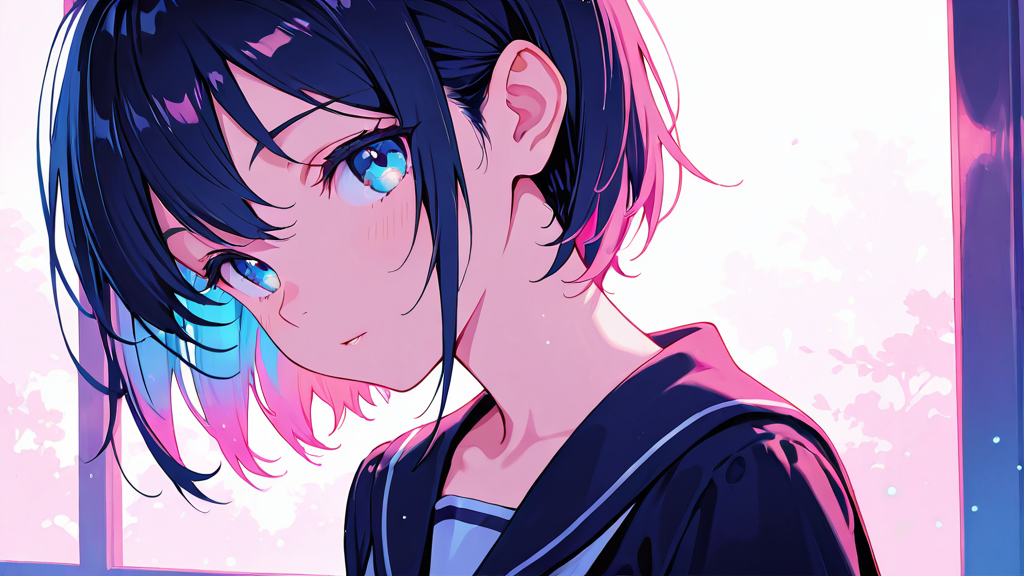
Understanding the Chaos: What is a Denpa Girl?
What is a denpa girl, you might ask, while scrolling through a late-night thread on 4chan or browsing through some particularly experimental manga? If you have ever stumbled upon an anime character who seems to be living in a completely different dimension—one filled with invisible radio waves, strange whispers, and a total detachment from reality—then you have likely encountered the concept of the “denpa” trope. For us cultured gentlemen who enjoy the deeper, weirder layers of Japanese subculture, understanding this trope is like finding a hidden Easter egg in a high-budget RPG.
The term “denpa” (電波) literally translates to “radio waves” or “electromagnetic waves.” However, in the context of otaku culture, it refers to something much more psychological and, quite frankly, much more chaotic. It describes a specific type of character or genre of media that feels “out of sync” with the real world. These characters are often perceived as “crazy” or “delusional” because they claim to hear voices or perceive signals that no one else can. They exist on a frequency that the rest of society simply cannot tune into.
As someone who has spent years exploring the depths of Japanese media, from the mainstream hits to the most obscure, experimental doujinshi, I find the denpa genre to be one of the most fascinating corners of the industry. It is where the line between psychological horror, surreal comedy, and tragic romance becomes incredibly thin. It is not just about being “weird”; it is about a fundamental disconnect from the shared human experience.

The First Truth: The Delusion is the Core Identity
The most important thing to understand about this trope is that the character's “madness” is not just a character flaw; it is their entire reality. When we talk about what is a denpa girl, we are talking about a character whose perception of the world is dictated by these supposed “signals.” This isn't just a girl who is a bit eccentric or loves cosplay; this is a character who might believe that the stars are actually giant eyes watching her every move.
In many denpa stories, the character's delusions are treated with a strange sense of sincerity. Unlike a “tsundere” who uses anger to hide affection, a denpa character uses their delusions to navigate a world that feels overwhelming or alien. This creates a unique emotional bond for the reader. You find yourself wondering: Is she actually losing her mind, or is she the only one seeing the “true” world? This ambiguity is what keeps us hooked.
This psychological depth is why denpa stories often lean into the “spicy” or psychological horror genres. The tension comes from the gap between her perceived reality and the physical reality of the characters around her. It creates a sense of unease that is incredibly effective in storytelling. You are not just watching a character; you are experiencing their fractured psyche.
The Second Truth: The “Radio Wave” Metaphor
Why the name “denpa”? To understand the metaphor, we have to look at how communication works. Radio waves travel through the air, invisible to the naked eye, yet they carry messages, music, and data. A denpa girl believes she is receiving messages that are invisible to everyone else. She is “tuned in” to a frequency that the rest of us—the “normal” people—cannot hear.
This metaphor serves two purposes in manga and anime:
- Isolation: It perfectly illustrates the loneliness of being unable to communicate your truth to others. Even if she is surrounded by people, she is fundamentally alone because her “signals” are private.
- The Supernatural Element: It allows creators to blend sci-fi or supernatural elements into what looks like a slice-of-life story. Is it a ghost? Is it an alien invasion? Or is it just a mental breakdown? The “denpa” label leaves the door open for all of the above.
For us fans of psychological manga, this ambiguity is a goldmine. It allows for much more experimental narratives than your standard shonen battle manga. You can explore themes of mental health, social alienation, and the breakdown of communication through the lens of a girl who thinks her smartphone is talking to her about the end of the world.
The Third Truth: The Connection to “Yandere” Tropes
It is impossible to discuss denpa characters without mentioning their close cousins: the Yandere. While they are not the same thing, they share a significant amount of DNA. A Yandere is characterized by an obsessive, often violent love. A denpa girl, however, is characterized by her detachment from reality. However, when you mix the two, you get some of the most intense and “spobby” content in the industry.
Imagine a character who is so obsessed with the protagonist that she believes their souls are being transmitted via radio waves. That is where the two tropes collide. The “spicy” nature of these stories often comes from this intense, unstable emotional state. The boundaries of consent, reality, and even physical safety are often blurred, making for a reading experience that is as unsettling as it is captivating.
For the more “degenerate” side of our community, this overlap provides a playground for exploring dark, intense, and highly emotional narratives. It is not for the faint of heart, but for those who appreciate the darker side of character archetypes, it is an essential part of the subculture.
Comparing the Archetypes
To keep things clear, let's look at the main differences:
| Feature | Yandere | Denpa Girl |
| Primary Driver | Obsessive Love/Jealousy | Perceived Signals/Delusions |
| View of Reality | Reality is secondary to the lover | Reality is fundamentally different/broken |
| Social Impact | Often violent or clingy | Often eccentric or “spaced out” |
The Fourth Truth: Denpa as a Reflection of Social Isolation
If we look deeper, the denpa genre often acts as a mirror to the real-world phenomenon of hikikomori (social recluses) and the increasing isolation found in modern Japanese society. The “signals” the character hears can be seen as a metaphor for the overwhelming amount of digital noise we all deal with today. In an era of constant notifications, social media feeds, and 24/7 connectivity, the idea of being “lost in the waves” is more relevant than ever.
Many denpa stories take place in claustrophobic settings—small apartments, lonely streets, or cluttered bedrooms. This reinforces the feeling of being trapped within one's own mind. When we read these stories, we are tapping into a very real anxiety about the loss of genuine human connection in a digital world. It is a heavy topic, but it is handled with a level of artistry that makes it much more than just a “weird” trope.
This is why many of these works are considered “cult classics.” They resonate with anyone who has ever felt a bit disconnected from the “real” world. Whether you are a die-hard anime fan or just someone who enjoys deep, psychological storytelling, the themes of isolation and the search for meaning amidst the noise are universally relatable.
The Fifth Truth: The Aesthetic of the Uncanny
Finally, we must talk about the visual and auditory experience. Denpa media is famous for its “unsettling” aesthetic. In anime, this might involve sudden shifts in art style—moving from a cute, “moe” aesthetic to something jagged, distorted, and nightmarish. In manga, the use of heavy shadows, erratic panel layouts, and distorted character proportions helps convey the character's fractured state of mind.
The “spicy” or “mature” elements of this genre often leverage this aesthetic to create a sense of “uncanny” intimacy. The intimacy feels “off.” It feels like something you aren't supposed to be seeing. This creates a unique thrill for readers who enjoy content that pushes the boundaries of traditional storytelling. It is about the beauty found in the broken, the allure of the strange, and the excitement of exploring the fringes of human psychology.
Whether it is through the use of surrealist imagery or the exploration of taboo themes, the denpa genre thrives on the unexpected. It keeps us on our toes. You never know if the next chapter will be a sweet moment of connection or a descent into absolute madness.
Embracing the Weirdness
So, what is a denpa girl in the grand scheme of things? She is a symbol of the beautiful, terrifying, and utterly unpredictable nature of the human mind. She represents the parts of ourselves that we hide from the world—the irrational fears, the strange fantasies, and the deep-seated desire to find meaning in the chaos.
For us enthusiasts of all things anime and manga, the denpa trope is a reminder that there is always something new, weird, and wonderful to discover. It challenges our perceptions and forces us to engage with stories that don't follow the standard rules. Whether you approach it for the psychological depth, the surreal art, or the intense, spicy character dynamics, there is no denying that the “denpa” phenomenon is a vital part of the culture.
Next time you see a character staring blankly at a radio or whispering to a flickering lightbulb, you'll know exactly what's going on. You'll know that you've encountered a denpa girl, and you'll be ready to dive into the beautiful madness that follows. Stay cultured, my friends!